Category: Uncategorized

  • E88 Pro vs E88 Max: Which Drone Should You Stock?

    The E88 Pro and the E88 Max are two of the most popular entry-level camera drones for resale. They look similar, they come from the same product family, and they are often listed side by side — but they are aimed at different buyers. This comparison explains the differences, so you can decide which one to stock, or whether to stock both. It also covers something most comparisons leave out: what to stock alongside them, because a drone rarely sells alone. Both models are in stock on the QDD shop — the E88 Pro at $14.99 and the Max at $22.99.

    At a glance

    E88 Pro Max
    Wholesale price $14.99 $22.99
    Camera Single lens Dual camera
    Motors Not stated Brushless
    Positioning Optical flow Optical flow
    Battery 1 battery included 1 battery included
    Remote Standard (phone holder) Standard (phone holder)
    Order value at MOQ 36 $539.64 $827.64
    Best for Beginners, gifts, volume sales Buyers who want better footage and longer motor life
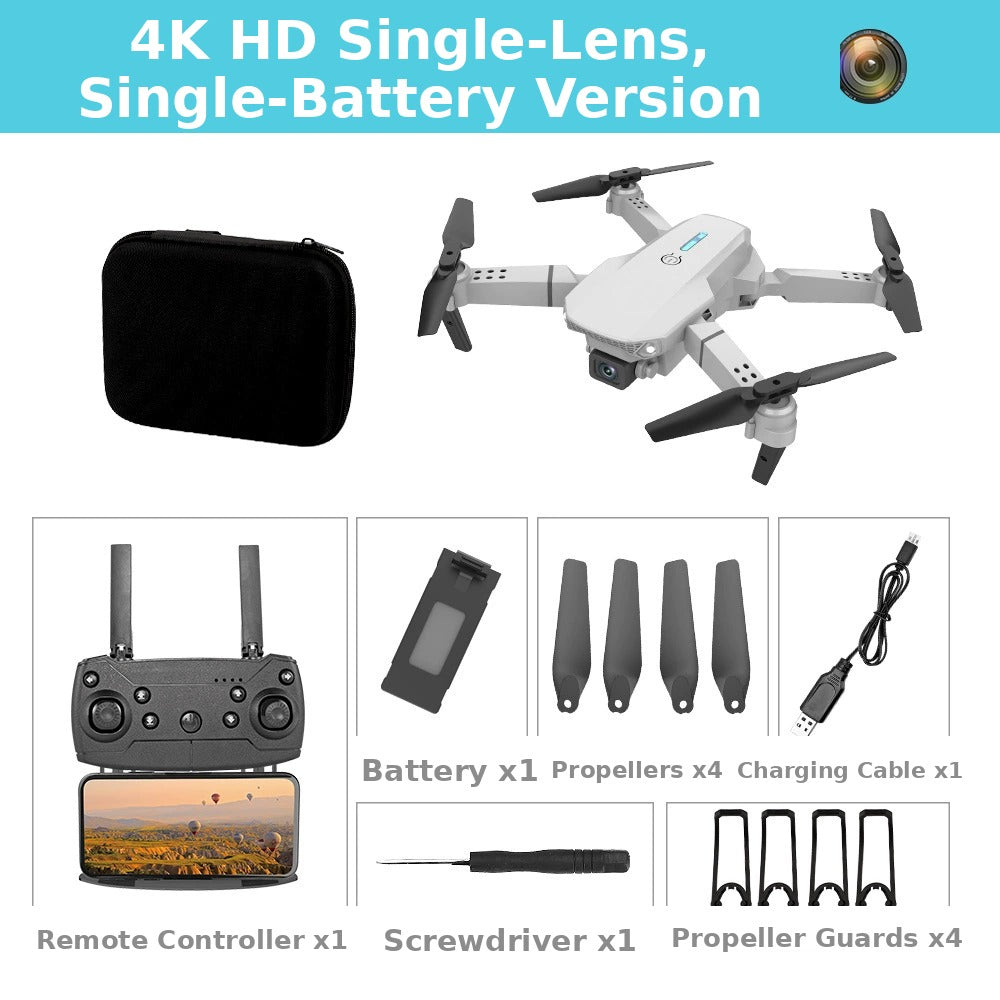
    E88 Pro folding camera drone, single lens, wholesale
    E88 Pro folding camera drone, single lens, wholesale

    If you only have time for one paragraph, here it is. The Pro is the volume model: cheap, simple, and easy to sell to anyone buying their first drone. The Max is the step-up model: a second camera and brushless motors for $8 more at wholesale. They do not compete with each other. They cover two price points in the same category, and together they give a customer a clear choice. The rest of this article explains why that choice matters, and what to put next to them on the shelf.

    Camera: one lens vs two

    The main difference is the camera. The E88 Pro has a single forward-facing lens. It records video and takes photos, and it is enough for a first drone, a gift, or casual flying. For a beginner, one lens is not a limitation — it is the whole point. The buyer is learning to fly, and the camera is there to capture the fun, not to shoot a film.

    The E88 Max has a dual camera — a forward lens plus a second downward-facing lens. The second lens supports optical flow positioning, which helps the drone hold its position more steadily, and it gives the pilot an additional angle. For a buyer who cares about footage quality, the dual camera is a real upgrade, and it is the easiest difference to explain in a listing. You do not need to talk about sensors or stabilisation. You say: this one has two cameras, so the footage is steadier and you get a second angle. That is a sentence a customer understands in five seconds.
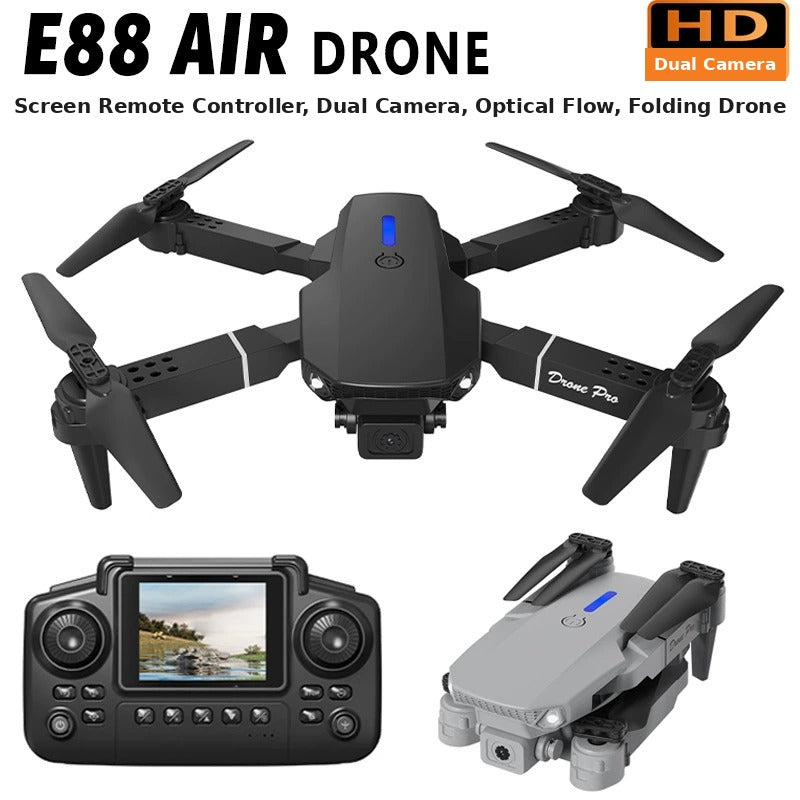
    Max folding camera drone, dual camera, brushless motors, wholesale
    Max folding camera drone, dual camera, brushless motors, wholesale

    If your customers are buying their first drone, the single lens is fine. If they are buying a second drone or want steadier video, the Max is the better recommendation. And if you are writing the product description, put the camera count in the first line. A buyer who expects two cameras and receives one will be disappointed — and in wholesale, one disappointed buyer costs you a whole relationship, because the complaint is about a case of them, not a single unit.

    There is a second point here that sellers often miss. The camera is not just a specification; it is the reason the buyer is looking at a drone instead of a toy. A no-camera drone is a flying toy. A single-lens drone is a camera that flies. A dual-lens drone is a camera that flies steadily. Each step up the ladder is a step up in what the buyer can do with it, and the price follows. When you explain the camera, explain what it lets the buyer do, not just how many lenses it has.

    Motors: brushed vs brushless

    The E88 Pro page does not state a motor type, so do not write ‘brushed’ in its listing. What the page does state is a single-lens 4K HD camera and optical-flow positioning, at $14.99. The low price is the selling point, not a stated motor type.

    The Max uses brushless motors. Brushless motors last longer, run more quietly and deliver more power, which makes the drone more stable in light wind. For a reseller, this matters because it is a durability story: a brushless drone is less likely to come back as a complaint, and it justifies the higher price to the end buyer. It is also a story you can tell in one line — “brushless motors last longer and fly steadier” — which is exactly the kind of line that works in a product listing.

    This is the difference most buyers do not know to ask about, and the one most worth explaining in your product description. The camera is visible in the photo. The motors are not. If you do not explain them, the buyer will compare the two models on price alone and pick the cheaper one, even if the Max would have suited them better. A short sentence about brushless motors in the listing does more work than a paragraph about anything else.

    It is worth being honest about the trade-off. A simple entry-level drone is cheap, and cheap is a legitimate selling point. Brushless motors are better, and better costs more — which is why the Max costs $8 more. The Pro is for the buyer who wants the lowest price. The Max is for the buyer who wants the better drone. Both are valid customers, and both deserve a clear description.

    Battery and remote: what is actually in the box

    Both models ship with one battery and a standard remote with a phone holder. That is worth stating plainly, because it is the kind of detail that causes complaints when it is left out.

    One battery is the standard entry configuration. It keeps the price low and is fine for a first drone. If a buyer wants to fly longer, they need a second battery, and that is a separate purchase. If you carry spare batteries, list them as a separate product and link to them from the drone listing. A buyer who already owns a drone will come back for batteries, so a battery listing is a useful repeat-purchase item. It is also one of the few accessories in this category that a customer will buy more than once.

    The remote holds the pilot’s phone, which runs the camera app and displays the live feed. No phone is included. That sounds obvious, but a product photo that shows a phone in the remote can mislead a buyer into thinking one is included. State it in the description: “phone required, not included.” One sentence, and the complaint never happens.

    Neither model has a screen remote. That is a feature of higher-end drones, and it is not something either of these buyers is expecting at this price. If a customer asks for a screen remote, they are ready for a more expensive model — the F11S 4K Pro+ ($173.07) is the next step up in the range, and our guide to choosing a camera drone covers that tier in detail.
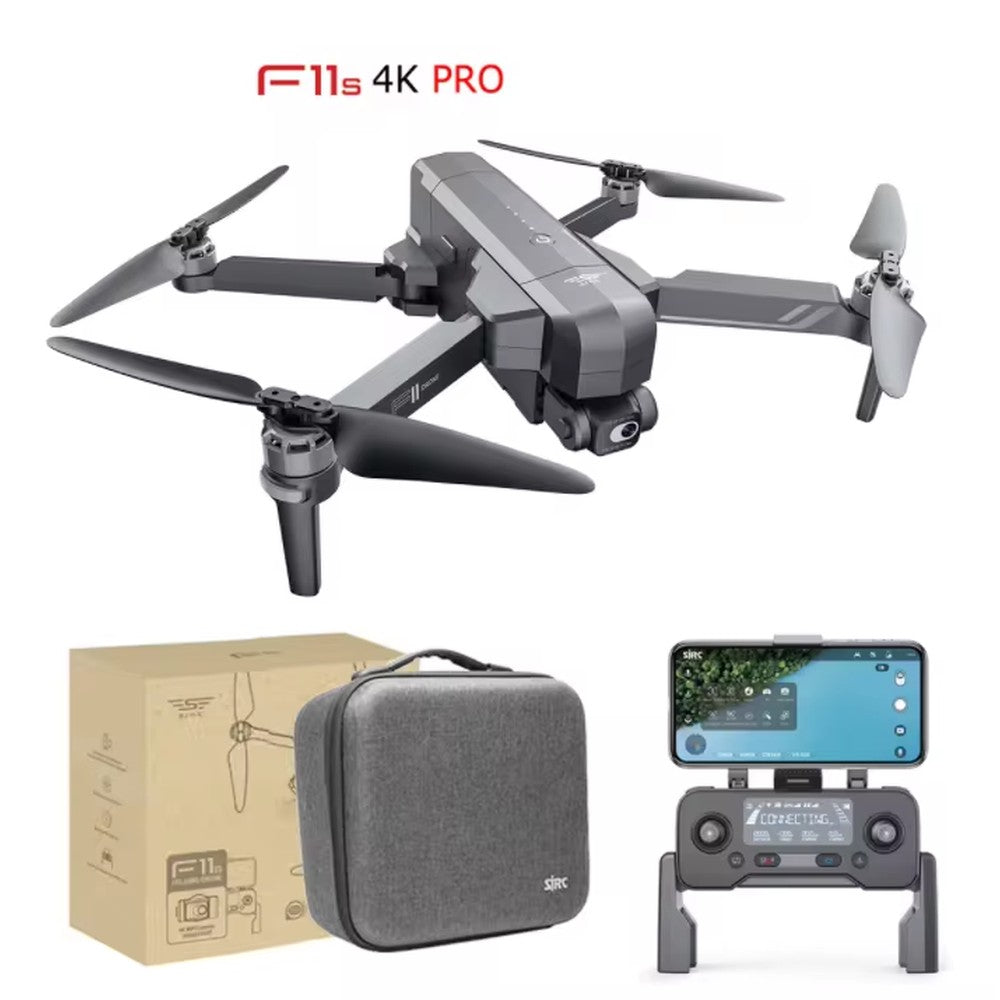
    SJRC F11S 4K Pro+ GPS drone, brushless motor, wholesale
    SJRC F11S 4K Pro+ GPS drone, brushless motor, wholesale

    Price and margin

    The wholesale price difference is $8.00 per unit — $14.99 for the Pro against $22.99 for the Max. At the MOQ of 36 pieces, that is $539.64 for an order of the Pro against $827.64 for an order of the Max. Together, a full MOQ of each comes to $1,367.28.

    Which earns more depends on your retail price, not on the wholesale price alone. The Pro sells in higher volume at a lower ticket; the Max sells at a higher ticket with a better feature set. In practice, the Pro is the volume driver and the Max is the step-up sale: a customer who comes in for a cheap first drone is often willing to spend the extra $8 at wholesale — a larger gap at retail — for a dual camera and brushless motors.

    Think about it from the customer’s side. They walk in, or they land on your page, looking for a drone. They see two models. One is $14.99 at wholesale, one is $22.99. The difference in the shop might be $20 or $30 at retail. The customer asks themselves: is a second camera and longer-lasting motors worth that? For a first drone, many will say no and take the Pro. For a second drone, or a gift for someone who already flies, many will say yes and take the Max. The two models are not fighting over the same customer. They are catching different customers at different moments.

    The margin story is similar. The Pro has a lower price but a higher volume, so the total profit on a case can be comparable to the Max. The Max has a higher price and a better feature set, so the profit per unit is higher but the volume is lower. Neither is clearly better. The right answer depends on your customers, and the only way to know is to stock both and see which one moves faster.

    Who each model suits

    Stock the E88 Pro if your customers are:

    • Buying their first drone, or buying for a child or a beginner. The Pro is simple enough that a first-time flyer will not be overwhelmed, and cheap enough that a parent will not worry about it being crashed into a tree.
    • Shopping on price, or buying in bulk for a promotion or giveaway. At $14.99 wholesale, the Pro is cheap enough to use as a promotional item, a raffle prize, or a bulk gift. It is also cheap enough that a retailer can put it on sale without losing money.
    • Looking for a gift under a set budget. A drone is a good gift because it is exciting and it is not something the recipient would necessarily buy for themselves. The Pro is the right gift for a casual recipient — a nephew, a colleague, a friend who likes gadgets.

    Stock the E88 Max if your customers are:

    • Upgrading from a first drone and want better video. The dual camera and brushless motors are the two things an experienced beginner notices first, and the Max delivers both.
    • Flying regularly and want motors that last longer. A buyer who flies every weekend wants motors that last. The Max’s brushless motors are the answer, and the Max is the cheapest way to get them.
    • Comparing models on features rather than on price alone. Some buyers read specifications. They will see “dual camera” and “brushless” and they will know what it means. Those buyers are not going to be satisfied with the Pro, and they will pay the extra for the Max.

    What to check before ordering

    Whichever model you choose, verify the same details before you order. Confirm the camera count and the motor type in writing, check that the remote is the standard phone-holder type (no phone is included), and confirm the battery count — both models ship with one battery, so if you want multi-battery bundles, ask about spare batteries as a separate product.

    Order a sample of each model first and fly it. The difference between one camera and two, and the brushless motors on the Max, is easier to judge in the air than on a specification sheet. A sample also lets you check the packaging, which matters if you sell through a retail channel where the box is part of the product. Fly the Pro, then fly the Max, and you will understand in ten minutes what a specification sheet takes an hour to explain.

    Check the accessories, too. The product photos sometimes show items that are not in the box — a carrying case, extra propellers, a screwdriver. Confirm what is included and state it in your listing. A buyer who opens the box and finds something missing will not buy from you again, and in wholesale, that is a relationship lost, not just a sale.

    Pairing drones with complementary categories

    This is where the E88 pair becomes more than two products. A drone buyer is, by definition, someone who likes cameras, gadgets and remote-controlled things. That same person is the buyer for a whole set of other products, and if you only sell them a drone, you leave the rest of the order on the table. All of the categories below are stocked on qddwholesale.com, alongside the drone range.

    The idea is simple: when a customer buys a drone, they are already in the mindset of recording, flying and playing outdoors. The products below all fit that mindset, and each one adds to the order value without adding much risk.

    Action cameras and dash cams

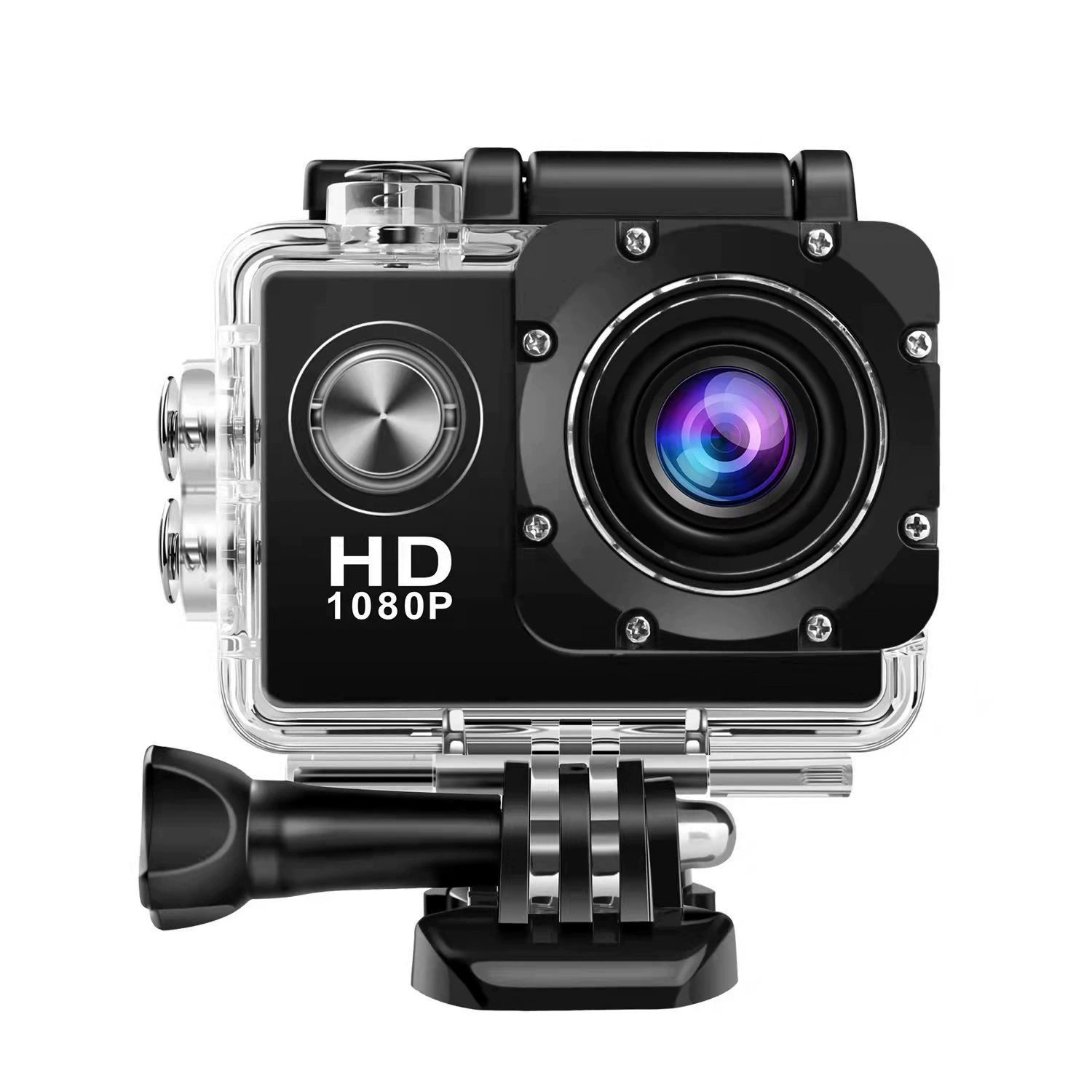
    An action camera is the most natural companion to a drone. The buyer is the same person — someone who wants to record what they are doing, whether from the air or from a bike, a helmet or a handlebar. The SJ4000 action camera ($12.99, 1080P with a waterproof case) sits in the same impulse price range as a mid-level drone. Put the two on the same page or in the same bundle suggestion, and the customer who came for a drone will often add a camera to the same order.

    The K6000 dash cam ($11.99, 1080P, 140° wide angle) is an action camera for a car. It sells to commuters, taxi and delivery drivers, fleet owners and parents of new drivers. The buyer is different, but the product is adjacent, and it brings in a customer who might not have come for a drone at all. Stocking both means you are not dependent on one kind of buyer. If drone sales dip after the holidays, dash cam sales keep going, because people buy them when they buy a car or start a new driving job.

    Mini cameras and kids cameras

    The A6 mini camera ($9.99) is a small, discreet camera that sells to home users, hobbyists and anyone who wants a camera they can put somewhere and forget about. It is one of the cheapest products in the electronics range, which makes it a useful add-on. A customer will add a low-priced item to an order without thinking about it, and once they have bought two things from you, they are more likely to come back for a third.

    A kids camera is a simple, tough camera made for children, with a chunky body and simple controls. It sells as a gift, and it sells to the same parents who buy a beginner drone for their child. If a parent is buying an E88 Pro for a ten-year-old, a kids camera is an easy second item. Put them together in a gift suggestion and the parent does not have to think twice.

    Walkie-talkies

    The kids walkie-talkie ($12.99) sells to families on holiday, outdoor groups, event organisers, warehouse teams and parents who want a way to stay in touch with children without giving them a phone. It is also one of the few electronics products bought in pairs or sets, which naturally raises the order size. A family buying a drone for a camping trip is a family who might also buy a pair of walkie-talkies. The use cases overlap, and the price is low enough that the add-on does not need much persuasion.

    Night vision and instant cameras

    The DL005/DL006 trail camera (from $19.99) is a higher-ticket item that sells to outdoor enthusiasts, hunters and security-conscious homeowners. It is not an impulse buy, but it raises the average order value of the range and gives your catalogue a premium anchor. You do not need to stock many, but having one or two models changes how the whole shop reads.

    An instant camera prints the photo as soon as it is taken. It is a completely different experience from a drone camera — physical, immediate, social — and that is exactly why it sells alongside one. It sells best as a gift and at holiday peaks. The A800 kids instant print camera ($16.99) prints on thermal paper in about 3 seconds and ships with one roll of thermal print paper in the box. Extra paper is not a separate QDD listing, so state in your own listing exactly how many rolls are included.

    AI wearables and programmable robots

    AI wearables — smart glasses with a built-in camera and audio — sell to the same tech-curious buyer as a drone. A person who buys a camera drone is interested in cameras, and a pair of smart glasses with a camera is a natural next purchase. The M02S/M02C AI smart glasses start at $35.99. The categories feed each other.

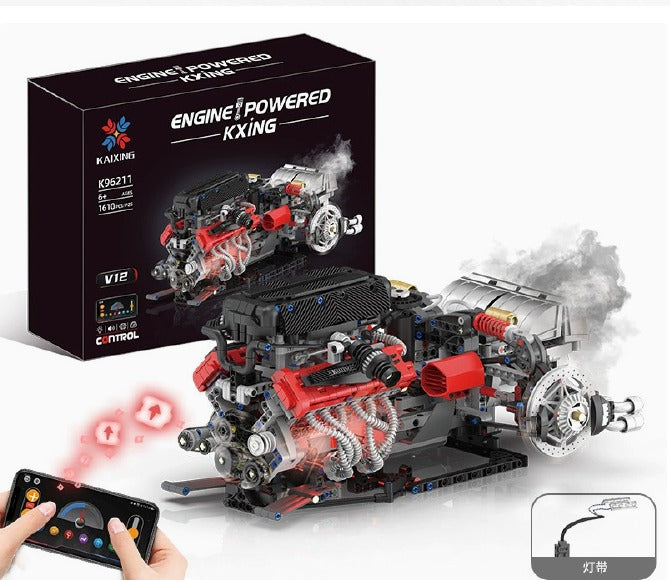
    Programmable building-block robots — a detailed engine or gearbox built from blocks — sell to parents, schools and adult hobbyists. The Enzo V12 engine model ($36.99, 1,610 pieces) is a display build with no remote, no motor and no power unit, and the 730-piece and 809-piece transmission kits ($19.99 each) are display builds too. The dual-remote robot kit ($17.99) genuinely has dual remote control and APP coding. A parent buying a drone for a child for a birthday is a parent who will also look at a building-block robot. Our programmable building-block robots guide covers this category in detail.

    Building a starter range around the E88 pair

    The MOQ at QDD is 36 pieces per product. That is manageable once you think in terms of a range rather than a single product.

    A practical starting split is a full MOQ order of the E88 Pro (36 pieces, $539.64) for volume, plus a full MOQ order of the Max (36 pieces, $827.64) for the step-up. Together that is $1,367.28, and it gives you two price points in the same category. List them side by side, state the camera and motor difference in the first line of each description, and let the customer choose.

    Then add one complementary category. An action camera is the obvious first addition, because the buyer is the same person and the use case is already in their head. Or add walkie-talkies, because they sell in pairs and raise the order size. Or add mini cameras (A6, $9.99), because they are cheap and they turn a one-item order into a two-item order. You do not have to add all of them at once. Add one, see how it sells, and then add the next. The QDD shop lists the current range across all of these categories.

    If one model outsells the other, reorder that one — the MOQ is per product, so you are not locked into an equal split. The range grows with the demand, not ahead of it. That is the whole point of a multi-category range: each new product brings in a buyer you did not have before, and each buyer might buy the other products as well.

    Our recommendation for resellers

    Stock both. The two models do not compete with each other — they cover two different price points in the same category, and together they give your customers a clear choice: an affordable first drone, and a better one for a modest step up.

    Then stock one complementary category alongside them. The drone brings the customer in. The action camera, the walkie-talkie or the mini camera is what turns a single purchase into a basket. That is how a small wholesale range becomes a real business: not by selling more drones, but by selling the things the drone buyer wants next.

    Ordering

    Both models are in stock at QDD, with dispatch in 1–3 days. MOQ is 36 pieces per product, payment is by bank transfer (T/T), and freight is quoted after the order. For bulk pricing, samples or a full catalogue — including the complementary categories above — contact [email protected] or WhatsApp +86 137 5041 1669. Browse the full range at qddwholesale.com.
  • How to Choose Wholesale Camera Drones for Resale in 2026 — and the Electronics That Sell Alongside Them

    Drones are a good place to start a wholesale electronics range. They sell to beginners, hobbyists, gift buyers and content creators, and the entry price is low enough that a first bulk order does not tie up much capital. But a drone on its own is a thin business. The resellers who make real money from this category are the ones who treat the drone as the anchor of a wider range — and then add the products the same customer buys next.

    That is what this guide covers. The first half is about choosing the right wholesale camera drones for resale: the specifications that actually matter, and the ones that only look important on a listing page. The second half is about the categories that sell to the same buyers, and how to build a multi-category order that raises your average order value without raising your risk. Everything here is written for someone buying in bulk to resell — not for someone buying one drone for themselves. The full range is listed in the drones category on the QDD shop.

    Start with the drone: what actually matters

    When you buy wholesale camera drones, five specifications decide whether they sell, and in what order you should check them. Get these right and the rest is detail.

    Camera: single lens, dual lens, or none

    The camera is the first thing a buyer asks about, so it should be the first thing you check.

    A single-lens drone records from one forward-facing camera. It is the most affordable option and suits beginners, children and casual users. The E88 Pro, for example, is a single-lens drone priced at $14.99 wholesale — a typical entry-level model, and the kind of price that lets a reseller put a camera drone on the shelf without much thought.

    A dual-lens drone adds a second camera, usually a downward-facing lens that supports optical flow positioning, or a second angle for the footage. It costs more, but the extra camera is a genuine selling point for buyers who want steadier footage and more features. The E88 Max ($22.99) is a dual-camera model in this class, and the $8 gap between the two is small enough that many buyers will step up once they understand what the second lens does.

    A no-camera drone is cheaper still and is sold mainly as a flying toy. There is nothing wrong with it, but it is harder to differentiate in a listing, and it competes directly with every other cheap flying toy on the market. If you stock one, make sure the product page states clearly that no camera is included. A buyer who expects a camera and receives a bare drone will be disappointed — and in wholesale, one disappointed buyer costs you a whole relationship, because the complaint is about a case of them, not a single unit.

    When you list a drone, state the camera configuration in the title or the first line of the description. Do not bury it in the third paragraph. The buyer is scanning, and the camera is the first filter they apply.

    Battery count: why it matters more than flight time

    Manufacturers quote flight times under ideal conditions — no wind, warm weather, a fresh battery, gentle flying. Real-world results are always shorter. Rather than comparing advertised minutes, compare what is actually in the box.

    One battery is the standard entry configuration. It keeps the price low and is fine for a first drone. Most buyers will not notice the limitation until their second or third flight, by which time they have already bought the drone.

    Two or three batteries let the user fly longer without waiting for a recharge. Multi-battery bundles sell well as gifts and as step-up options, and they give you a higher average order value without adding a new product to your range. If a model comes in a one-battery and a three-battery version, list them as variants of the same product rather than as two separate listings. The buyer can see the choice in one place, and you keep your catalogue tidy.

    For resale, the important thing is to state the battery count clearly — “one battery included” or “three batteries included” — and to list spare batteries as a separate product if you carry them. Buyers who already own a drone will come back for batteries, so a battery listing is a useful repeat-purchase item. It is also one of the few accessories in this category that a customer will buy more than once.

    GPS: who actually needs it

    GPS adds automatic homing, position hold and more stable flight in wind. It also adds cost, and for an entry-level model it is usually cost the buyer does not need to pay.

    A GPS drone such as the SJRC F11S 4K Pro+ ($173.07) is aimed at buyers who want a serious camera drone, not a toy. It suits enthusiasts, content creators and anyone flying somewhere they cannot afford to lose the aircraft. At that price, the buyer knows what GPS is and why they are paying for it.

    For entry-level models, GPS is rarely necessary. Beginners fly in gardens and parks, close to home, and a non-GPS drone with optical flow positioning is stable enough for that. Stock GPS models for the higher end of your range, and keep the entry level simple and affordable. If you put GPS on every model, you raise the price of the whole range and lose the buyers who only wanted a cheap first drone.

    Brushless vs brushed motors

    This is one of the most useful distinctions to explain to your customers, and one of the least understood.

    Brushed motors are cheaper and common in entry-level drones. They wear out faster and are less powerful, but they keep the price down. For a first drone that might be flown a dozen times and then put in a cupboard, brushed is fine.

    Brushless motors last longer, run quieter and deliver more power and stability. They are standard on mid-range and premium models, and they are a strong selling point for buyers who plan to fly regularly. A brushless drone is also less likely to come back as a complaint, which matters more in wholesale than in retail — one unhappy retail customer costs you a sale, one unhappy wholesale customer costs you a relationship.

    If a drone is brushless, say so in the listing. It is a real quality signal that justifies a higher price. If it is brushed, do not hide it. A buyer who finds out afterwards will not buy from you again, and in a market this small, word travels.

    One caution: only claim a motor type if the product page states it. The E88 Pro page, for example, does not state a motor type at all, so do not write ‘brushed’ in its listing. The E88 Max page does state brushless motors, and the SJRC F11S 4K Pro+ page states a brushless motor too — those two you can claim with confidence.

    Remote control: standard or with a screen

    There are two kinds of remote in this category, and the difference matters more than most sellers realise.

    A standard remote holds the pilot’s phone, which runs the camera app and displays the live feed. Most entry-level and mid-range drones use this design. It keeps the cost down and the phone screen is usually better than a built-in display anyway.

    A screen remote has a built-in display, so no phone is needed. It is more expensive and appears on higher-end models. It suits buyers who do not want to drain their phone battery, or who fly in bright sunlight where a phone screen is hard to read.

    Check which type a model has before you list it. A product photo that shows a phone in the remote can mislead buyers into thinking a phone is included. It is not. State in the description whether a phone is required and whether it is included. That one sentence prevents a whole category of complaints.

    Entry-level vs 4K: a quick comparison

    Entry-level (e.g. E88 Pro) Mid-range (e.g. E88 Max) Premium 4K GPS (e.g. F11S 4K Pro+)
    Price (wholesale) $14.99 $22.99 $173.07
    Camera Single lens Dual camera 4K
    Motors Not stated Brushless Brushless
    GPS No No Yes
    Best for Beginners, gifts, volume sales Step-up buyers, better footage Enthusiasts, content creators
    Order value at MOQ 36 $539.64 $827.64 $6,230.52

    The entry level is where the volume is. The premium models are where the margin per unit is. Most successful resellers stock both: an affordable model that brings in customers, and a higher-spec model for buyers who want more.

    E88 Pro folding camera drone, single lens, wholesale
    E88 Pro folding camera drone, single lens, wholesale

    The comparison above is a useful starting point, and our E88 Pro vs E88 Max comparison goes into the two entry-level models in more detail.

    Beyond drones: the categories that sell to the same buyers

    Here is where the range gets interesting. A customer who buys a drone is, by definition, someone who likes gadgets, cameras and remote-controlled things. That same person is the buyer for a whole set of other products. If you only sell them a drone, you leave the rest of the order on the table. All of the categories below are stocked on qddwholesale.com, alongside the drone range.

    The categories below all sell to the same buyers, and they all sit in the same wholesale price band — cheap enough to order at MOQ without much risk, and varied enough to give a customer a reason to come back. The prices below are the live wholesale prices on the shop, checked on 19 November 2026: the SJ4000 action camera is $12.99, the D800 is $14.99, the K6000 dash cam is $11.99, the A6 mini camera is $9.99, the A800 instant print camera is $16.99, the DL005/DL006 trail camera starts at $19.99, the handheld night vision recorder is $21.99, the kids walkie-talkie is $12.99 and the D2 video-call walkie-talkie pair is $17.99, and the M02S AI smart glasses start at $35.99. The descriptions below focus on who buys each product and what to check before you order.

    Action and motorcycle cameras

    The most natural companion to a drone is an action camera. The buyer is the same person: someone who wants to record what they are doing, whether from the air or from a bike, a helmet or a handlebar. The SJ4000 action camera ($12.99, 1080P with a waterproof case) and the D800 ($14.99, 4K with WiFi) sit in the same impulse price range as a mid-level drone.

    Action cameras sell well because they are easy to explain. The buyer already understands what a camera does; the only question is where it mounts and how tough it is. A motorcycle camera is the same product with a different mount and a different story — it goes to riders, delivery drivers and anyone who wants a record of the road. If you stock drones, stock an action camera alongside them and put the two on the same page or in the same bundle suggestion.

    SJ4000 action camera with waterproof case, wholesale
    SJ4000 action camera with waterproof case, wholesale

    The customer who came for a drone will often add a camera to the same order, because the use case is already in their head.

    Dash cams

    The K6000 dash cam ($11.99, 1080P, 140° wide angle) is an action camera for a car, and it sells to a different buyer — but one who is just as easy to reach. Commuters, taxi and delivery drivers, fleet owners and parents of new drivers all buy dash cams, and they buy them for a practical reason: evidence after an accident, or a record of a journey. That practical reason makes the sale easier than a drone, which is partly a toy.

    The point for a reseller is that a dash cam does not compete with a drone. It sits in a different part of the customer’s life, and it brings in a different customer altogether. Stocking both means you are not dependent on one kind of buyer. If drone sales dip after the holidays, dash cam sales keep going, because people buy them when they buy a car or start a new driving job — not just at Christmas.

    Mini cameras and kids cameras

    The A6 mini camera ($9.99) is a small, discreet camera that sells to home users who want a simple security camera, hobbyists, and anyone who wants a camera they can put somewhere and forget about. It is one of the cheapest products in the whole electronics range, which makes it a useful add-on — a customer will add a low-priced item to an order without thinking about it.

    A kids camera is the opposite end of the same idea: a simple, tough camera made for children, with a chunky body and simple controls. It sells as a gift, and it sells to the same parents who buy a beginner drone for their child. If a parent is buying a drone for a ten-year-old, a kids camera is an easy second item. Put them together in a gift suggestion and the parent does not have to think twice.

    Instant cameras

    An instant camera prints the photo as soon as it is taken. It is a completely different experience from a drone camera — physical, immediate, social — and that is exactly why it sells alongside one. The drone is for the person who likes tech; the instant camera is for the person who likes the print. Often they are the same person at different moments.

    Instant cameras sell best as gifts and at party and holiday peaks. The A800 kids instant print camera ($16.99) prints on thermal paper in about 3 seconds and ships with one roll of thermal print paper in the box. Extra paper is not a separate QDD listing, so state in your own listing exactly how many rolls are included.

    Night vision

    Night vision is a higher-ticket item, and it sells to a narrower but very committed buyer: outdoor enthusiasts, hunters, security-conscious homeowners, and people who work at night. It is not an impulse buy, but it is a considered purchase, which means the buyer does the research and then buys the model they have decided on.

    For a reseller, night vision is useful because it raises the average order value of the range. The DL005/DL006 trail camera starts at $19.99 and the handheld night vision recorder is $21.99 — one night vision unit is worth more than several mini cameras. It also gives your catalogue a premium anchor — a product that makes the rest of the range look like good value by comparison. You do not need to stock many, but having one or two models in the range changes how the whole shop reads.

    Walkie-talkies

    The kids walkie-talkie ($12.99) is a simple, reliable product that sells to a surprisingly wide audience: families on holiday, outdoor groups, event organisers, warehouse and construction teams, and parents who want a way to stay in touch with children without giving them a phone. It is also one of the few electronics products that is bought in pairs or in sets, which naturally raises the order size.

    Walkie-talkies pair well with drones and action cameras because they share a buyer: the outdoor, active, group-activity customer. A family buying a drone for a camping trip is a family who might also buy a pair of walkie-talkies. A construction team buying a dash cam for a van is a team who might buy walkie-talkies for the site. The use cases overlap, and the price is low enough that the add-on does not need much persuasion.

    AI wearables

    AI wearables — smart glasses with a built-in camera and audio — are a newer category, and they are growing fast. The M02S/M02C AI smart glasses start at $35.99, with an 8MP camera, real-time translation and Bluetooth calls, and they sell to tech-curious buyers, commuters and gift buyers. They are also a category where the price has come down enough that a reseller can stock them at wholesale without much risk.

    The connection to drones is the buyer. A person who buys a camera drone is interested in cameras, and a pair of smart glasses with a camera is a natural next purchase. The categories feed each other. Browse the AI wearables category for the current models.

    Programmable building-block robots

    This is the category that surprises people. A programmable building-block robot — a detailed engine or gearbox built from blocks — sells to parents, schools and adult hobbyists. Check the control method before you list one: the Enzo V12 engine model and the transmission kits are display builds with no remote, no motor and no power unit, while the dual-remote robot kit ($17.99) genuinely has dual remote control and APP coding. It has nothing to do with drones on the surface, but it sells to the same gift buyer and the same parent. A parent buying a drone for a child for a birthday is a parent who will also look at a building-block robot.

    The Enzo V12 engine model ($36.99, 1,610 pieces) and the 730-piece and 809-piece transmission kits ($19.99 each) are the core of this range. They are detailed, demonstrably mechanical and easy to explain, which makes them good gift products.

    Enzo V12 engine building block model, 1610 pieces, display build, wholesale
    Enzo V12 engine building block model, 1610 pieces, display build, wholesale

    Our programmable building-block robots guide covers this category in detail — what to check before ordering, who buys them, and how to list them.

    How to build a multi-category order

    The MOQ at QDD is 36 pieces per product. That sounds like a lot if you are thinking about one product, but it is manageable once you think in terms of a range. The trick is to mix price points so that the total order is balanced.

    A practical starter range might look like this: one entry-level drone (E88 Pro, $14.99, order value $539.64 at MOQ), one mid-range drone (E88 Max, $22.99, order value $827.64), one action camera, one set of walkie-talkies, and a set of mini cameras (A6, $9.99). The two drones alone come to $1,367.28 at MOQ; adding one or two complementary categories on top of that gives you four or five products across three categories, and each one brings in a different kind of buyer. The complementary items are priced on the shop — SJ4000 $12.99, K6000 $11.99, A6 $9.99 — so you can work out the full order value before you place it.

    You do not have to order everything at once. Start with the drone and one complementary category, see which one sells, and then add the next. The MOQ is per product, so you are not locked into ordering all five at the same time. Order the drone first, add the action camera when the drone starts moving, and add the walkie-talkies when you have a customer who asks for them. The range grows with the demand, not ahead of it.

    The other thing to watch is the balance between volume and margin. The entry-level drone and the mini camera are volume products: they sell in quantity at a low price. The night vision device and the F11S 4K Pro+ are margin products: they sell in smaller numbers at a higher price. A healthy range has both. The volume products bring in customers; the margin products make the profit. If you only stock volume, you work hard for thin margins. If you only stock margin, you have no footfall. Mix them. You can see the current mix across the drones and cameras categories.

    What to check before placing a bulk order

    Before you order 36 or more units of any product — drone, camera, walkie-talkie or anything else — verify five things. These apply to every category, not just drones.

    A sample first. Order one unit and use it. For a drone, fly it. For an action camera, mount it and record. For a walkie-talkie, test the range. A sample costs little and prevents a costly mistake. If the product is not as described, you find out on one unit rather than on 36.

    The exact configuration. Confirm the camera count, battery count, remote type and included accessories in writing. Product photos sometimes show accessories that are not in the box. This applies to every category: a walkie-talkie photo might show a charging dock that is not included, an instant camera photo might show film that is not included. Confirm what is in the box, and state it in your listing.

    The minimum order quantity (MOQ). At QDD, the MOQ is 36 pieces per product. Make sure the MOQ fits your budget and your storage. A MOQ of 36 mini cameras is a small box. A MOQ of 36 night vision devices is a bigger commitment. Plan the storage before you order, not after.

    Payment terms. We accept bank transfer (T/T) only. There is no card or PayPal option, which means no chargebacks — but it also means you should confirm the bank details and allow time for the transfer to clear. For a first order, confirm the details in writing and keep a record of the transfer. If you are ordering across several categories, ask whether the supplier will consolidate the freight, because that can save a meaningful amount. The contact details are on the QDD shop.

    Freight. Freight is quoted after the order, because the cost depends on quantity, destination and parcel size. Do not assume a per-kilo rate from a single-unit listing applies to a 36-piece wholesale order. A box of 36 drones is a different shipment from a box of 36 mini cameras, and the freight reflects that. Ask for the quote before you pay, and factor it into your margin.

    Getting started

    If you are new to wholesale camera drones, start with one entry-level drone and one complementary product — an action camera or a pair of walkie-talkies is a good second item. Order a sample of each, test them, and then place your first MOQ order. Once you know the products and you have a customer or two, add the next category. The range grows one product at a time, and each new product brings in a buyer you did not have before.

    That is the whole point of a multi-category range. A drone brings in a drone buyer. A drone plus an action camera plus a walkie-talkie brings in three kinds of buyer, and each of them might buy the other two products as well. The order value goes up, the risk goes down, and the shop becomes a place a customer comes back to rather than a place they visit once.

    For bulk pricing, samples or a full catalogue, contact QDD at [email protected] or on WhatsApp at +86 137 5041 1669. MOQ is 36 pieces per product, payment is by bank transfer (T/T), freight is quoted after the order, and dispatch is within 1–3 days. Browse the full range at qddwholesale.com.
  • Hello world!

    Welcome to WordPress. This is your first post. Edit or delete it, then start writing!